
A heating emergency is any sudden system failure threatening safety, comfort, or property. In Dayton, OH, swift action is crucial. This guide covers emergency heating repair, critical signs (no heat, strange noises, gas odors, CO alarms), and immediate safety steps. It includes troubleshooting, common failures, costs, and what to expect.

Learn when to call a trusted emergency heating company in Dayton, what to ask, and how to limit damage.
Recognizing Heating Emergencies: Signs & Symptoms in Dayton
- No heat despite thermostat settings and power on.
- Loud banging, screeching, or grinding noises during operation.
- Burning smells, rotten-egg gas odor, or visible flames/sparks.
- Carbon monoxide alarm activation or symptoms of CO exposure.
|
Symptom
|
Possible Cause(s)
|
Immediate Homeowner Action
|
|
No heat
|
Thermostat, ignitor/pilot failure, power/gas supply
|
Check thermostat/power; if no result, prepare to call emergency service
|
|
Loud banging or screeching
|
Delayed ignition, blower bearing failure, loose ductwork
|
Turn off the system, document noises, and avoid running the unit
|
|
Burning or gas odor
|
Electrical short, overheated components, natural gas leak
|
Evacuate if a gas smell; do not operate switches; call 911/utility
|
|
CO alarm activation
|
Cracked heat exchanger, vent blockage, incomplete combustion
|
Evacuate immediately and call 911; do not stay indoors
|
Identifying “No Heat” and Furnace Failure Symptoms
No heat means the furnace isn’t delivering warm air, often due to control, ignition, or supply failures. Reasons include thermostat issues, tripped breakers, failed ignitors, or interrupted gas/electric service. Homeowner diagnosis involves confirming thermostat settings, resetting breakers, and checking the furnace power switch. If gas odor, electrical arcing, or persistent heat loss occurs, shut down the system for emergency repair.
Immediate Safety Steps During a Heating Emergency in Dayton
Immediate action in a heating emergency by an emergency heating company focuses on safety: isolating hazards, ventilating, and summoning qualified responders. Safe shutdowns reduce risk, evacuation protects occupants, and documenting symptoms supports efficient diagnosis. This section outlines a safety-first procedure and troubleshooting.
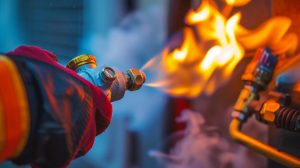
- Assess immediate danger: If anyone has CO symptoms, or you smell gas or see fire, evacuate immediately and call 911.
- Shut down the heating system safely: Use the thermostat and power switch if it’s safe; for gas odors, do not operate electrical switches.
- Ventilate if safe: Open windows and doors from the outside in to disperse fumes, unless doing so increases risk.
- Contact emergency responders and HVAC service: Provide to a heating contractor in Dayton, OH, concise symptom details and any steps you have already taken.
How and When to Safely Turn Off Your Heating System
Safely turning off a heating system requires knowing its type and the correct shutdown point. For electric systems, switch off the thermostat and breaker. For gas furnaces, turn off the thermostat and use the furnace power switch or gas valve only if no gas smell is present. If gas or electrical arcing is detected, evacuate and call emergency services without touching switches. Locate your system‘s emergency shut-off switch and gas shut-off valve.
When to Call an Emergency Heating Company Service in Dayton
An emergency call is warranted when the problem threatens safety, exposes occupants to dangerous temperatures, or risks significant property damage. Thresholds include confirmed gas smell, CO alarm activation, complete heat loss during extreme cold, electrical arcing, or water flooding. For reliable Dayton, OH emergency heating repair service, calling a 24/7 responder reduces exposure time, prevents secondary damage, and brings trained technicians.
Emergency Heating Repair Coverage in Dayton and Miami Valley
Service-area coverage impacts response time and availability during peak demand. Many emergency responders define a core urban area and adjacent suburban zones. Response time can lengthen late at night or during severe weather as technicians prioritize life-safety calls. When calling, ask if your neighborhood is within the immediate response zone and whether a travel fee or extended ETA applies. Confirming service area and ETA helps plan interim safety measures. For Dayton homeowners, expect 24/7 response, safety checks, diagnostics, transparent estimates, and service covering Dayton and the Miami Valley. These are standard for emergency heating company services, ensuring safety, clarity, and rapid heat restoration.
Common Heating System Breakdowns Requiring Emergency Repair
Emergency repairs usually stem from failures of critical components that stop heat production or create safety hazards. Common failures include ignitor/pilot faults, cracked heat exchangers risking CO leakage, and blower motor or control failures causing overheating and system shutdown. Understanding these helps homeowners explain symptoms and prioritize response.
|
Component
|
Symptom
|
Urgency / Recommended Action
|
|
Ignitor / Pilot
|
Clicking, no ignition, repeated lockouts
|
High during cold weather; schedule emergent replacement
|
|
Heat exchanger
|
CO alarm activation, soot, yellow flames
|
Very high: evacuate and call emergency services immediately
|
|
Blower motor
|
Loud screeching, no air movement, overheating
|
High: shut down to avoid motor burnout or fire risk
|
Heat Pump and Boiler Failures Impacting Emergency Repairs
Heat pumps and boilers have distinct emergency failure modes. Heat pumps can lose refrigerant or experience frozen outdoor coils, causing heating loss and potential compressor damage. Boilers can develop pressure loss, leaks, or circulation failures, leading to flooding or heat loss.

In both systems, rapid heating loss during cold weather creates immediate risk to occupants and plumbing, while leaks introduce property damage concerns. Homeowner actions include isolating the water supply for obvious leaks and turning off the power. Emergency technicians from a heating contractor in Dayton, OH prioritize system stabilization and water/pressure containment. Understanding likely failures helps homeowners anticipate costs.
Emergency Heating Repair Costs & Financing in Dayton
Emergency repair costs of the emergency heating company depend on time-of-service, parts, labor intensity, and travel distance. After-hours, weekend, and holiday calls typically include premium labor rates. Parts like ignitors or thermostats are low-cost, while major components such as blower motors or heat exchangers increase repair bills substantially, often leading to replacement recommendations. This section explains cost drivers and provides illustrative Dayton price ranges to gauge expense.
|
Repair Item
|
Typical Price Range (Dayton)
|
Notes
|
|
Ignitor replacement
|
$150 – $350
|
Depends on furnace model and access difficulty
|
|
Blower motor replacement
|
$400 – $900
|
Varies by motor type and labor time
|
|
Heat exchanger inspection/estimate
|
$250 – $600 (diagnostic)
|
Replacement can be several thousand dollars
|
Preventative Dayton, OH emergency heating repair service
-
Annual professional tune-up: Safety checks, combustion testing, and component inspection.
-
Filter replacement schedule: Change filters every 1–3 months, depending on type and household conditions.
-
CO and smoke detector checks: Test detectors monthly and replace batteries per manufacturer guidance.
-
Keep vents and returns clear: Ensure unobstructed airflow to prevent overheating and strain.
Benefits of Annual Tune-Ups and Professional Inspections
Annual tune-ups by Dayton, OH emergency heating repair services identify small faults before they escalate, optimize combustion efficiency, and include safety tests like CO checks and vent inspections. Technicians perform cleaning, lubrication, and component adjustments that prevent failures. These inspections also provide documentation supporting warranty compliance and simplifying later diagnostics. Scheduling regular tune-ups lowers the risk of emergency breakdowns and improves reliability.
Choosing a Trusted Emergency Heating Company in Dayton
Choosing a trusted emergency heating company matters because a quick, competent response preserves safety, prevents property damage, and reduces total repair expense. Trust signals include clear 24/7 availability, documented safety procedures, transparent estimates, and positive local reviews. Asking informed questions during dispatch about ETA, technician certifications, and safety tests helps ensure rapid, safe resolution.
Technician Certifications and Qualifications to Look For
Technician of Dayton, OH emergency heating repair service qualifications indicating safe, competent service include industry-recognized training and certifications for gas, refrigeration, and combustion safety. Credentials show a technician has undergone standardized testing and continuing education, demonstrating competency in safe handling of fuels and refrigerants, correct diagnostic methods, and adherence to local codes.

Ask the dispatcher to confirm credentials and whether the technician will perform CO and combustion testing. Verifying credentials before service helps ensure repairs follow accepted safety protocols.
Dayton Customer Feedback on Emergency Heating Repair Experiences
Customer feedback emphasizes speed, clear pricing, professionalism, and communication. Satisfied customers note clear estimates and safety testing. Complaints often involve unexpected fees or a lack of communication. Reviewing local feedback and asking dispatch questions about ETA, fees, and safety protocols helps select a responsive provider. Expect clear estimates, payment/financing options, and a description of next steps. Consider a reputable emergency heating company for urgent needs.


