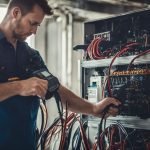

HVAC controls, zoning, and maintenance work together for whole-home comfort. Zoning sends air only where it is needed, controls manage each area independently, and HVAC maintenance keeps the system reliable. At Ed Rike Plumbing Heating & Air, we help Dayton homeowners get consistent comfort in every room.
Key Takeaways:
- A zoning system uses zone thermostats, motorized dampers, and a central control panel
- Hot and cold spots happen when one thermostat manages rooms with very different needs
- A licensed HVAC technician should check ductwork before any zoning work begins
Why Do Some Rooms Stay Too Hot or Too Cold?
A single thermostat reads only its own location. It cannot tell that the upstairs bedroom is warmer or that the sunroom overheats every afternoon. Calling a reliable HVAC company early makes finding the right solution much simpler.
What Causes Hot and Cold Spots?
Common causes include heat rising to upper floors, afternoon sun through south-facing windows, and rooms above unconditioned spaces. Closing supply vents does not help. Closing a register builds static pressure in the ductwork, potentially damaging equipment, and restricted circulation can cause stale air and mold.
How Does an HVAC Zoning System Work?
A zoning system gives each area of your home its own thermostat. All thermostats connect to a central control panel that opens and closes motorized dampers in the ductwork, directing air only to zones that need it. Conditioned air is not wasted on rooms already at the set temperature.
How Do Smart Thermostats Improve Zoning Performance?
Smart thermostats add precision by adjusting temperatures based on daily routines and real-time needs, so each zone responds accurately without running the whole home at full output.
Why Routine Upkeep Matters for a Zoned System?
Zoning adds damper motors, a control panel, and multiple thermostats to your HVAC setup. HVAC maintenance keeps each of these working as designed. Scheduling HVAC services twice a year lets a technician catch small issues before they affect comfort. A visit typically covers filter replacements, coil cleaning, thermostat calibration, damper motor testing, and ductwork pressure checks.
Our HVAC technicians at Ed Rike Plumbing Heating & Air inspect every component, not just the main equipment. Homeowners on a regular schedule with a dependable HVAC company get more years from their system.
What Signs Suggest Your Home Could Benefit From HVAC Zoning?
Consider a zoning assessment if one floor is consistently warmer than another, bedrooms stay uncomfortable at night, or you are conditioning rooms that sit empty most of the day. The experienced HVAC contractors at Ed Rike Plumbing, Heating & Air can evaluate your home and recommend the right setup.
FAQs
Does HVAC zoning require a brand-new system?
No. HVAC contractors add dampers and zone thermostats to existing ductwork. An HVAC technician confirms compatibility before work begins.
Can zoning improve indoor air quality?
It can help. Directing airflow to active zones reduces dust and allergens in unused rooms. Your HVAC company can advise on filtration upgrades.
How do I know if a damper is failing?
Watch for one zone that never reaches temperature, unusual ductwork sounds, or uneven airflow from vents. An HVAC technician can test each damper.

Consistent Comfort in Every Room, All Year
If some rooms never feel right regardless of the thermostat setting, Ed Rike Plumbing Heating & Air can help. Among the HVAC companies serving greater Dayton, we are known for honest assessments and HVAC services built around your home’s actual performance.
Call (937) 962-2939 or email carrie.lunsford@edrikeplumbing.com to schedule your consultation today.
We serve Preble, Montgomery, Darke, Miami, Clark, and Greene Counties.